
http://discoveringkorea.com/wp-content/themes/press

27 Nov 2008, Posted by Matt in Gyeongsang,Historic Korea,Nature,Shopping, 10 Comments

Colorful Daegu


daegu_oldandnew
Like most Korean cities, glitzy high rises are rapidly transforming Daegu’s modest neighborhoods.

(A version of this text aired on KBS World Radio on May 3, 2008.)

If you ask Koreans for recommendations on where to visit, you’ll undoubtedly hear Seoul, probably the port city of Busan, historic Gyeongju, or scenic Jeju island. But one place you typically don’t find on peoples’ short list, is Daegu, Korea’s fourth largest city and the capital of North Gyeongsang Province.
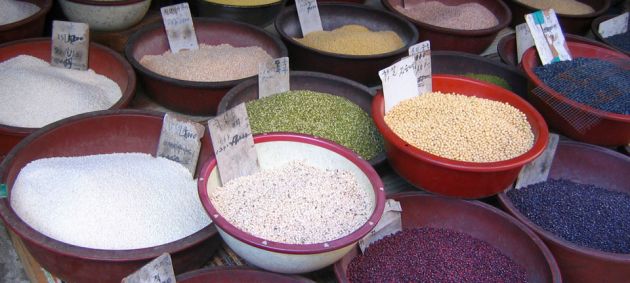
You see, Daegu is my mother’s hometown, so, I’ll admit that I have special affection for this bustling city of two and a half million people. But give me a couple of minutes and I think I can also persuade you that a visit is certainly worth the effort.
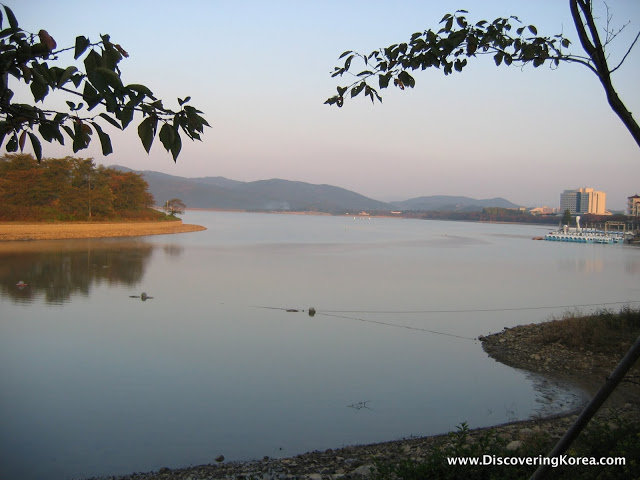
daegu_nakdong
The peaceful Geumho River winds through parts of Daegu.

Surrounded by beautiful, low green mountains and situated at the junction of the Geumho and Nakdong rivers, the Daegu area was the center of ancient Korea’s Silla Kingdom for nearly 1,000 years. During the Joseon Dynasty, Daegu was the focal point for the whole region. And, thanks to this history, this part of North Gyeongsang Province is still home to many important cultural properties.
daegu_horns
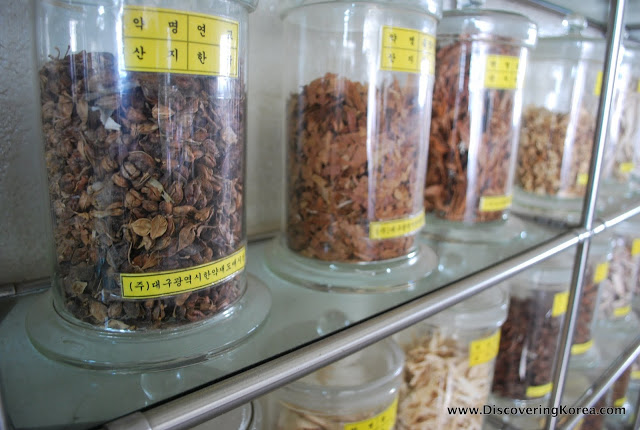
Hundreds of traditional medicine shops line the streets of Daegu’s Yangnyeongsi Market (약령시).

Today, Daegu is probably best known for its delicious apples, as the home of Korean baseball and the most Miss Korea beauty pageant winners. But the city is also the site of Korea’s oldest medicinal herb market. Since 1658, people have come to Yangnyeongsi Market (약령시) from as far away as China and Russia to purchase ginseng, reindeer horns and lizard tails. Hundreds of medicinal shops still offer traditional remedies to life’s aches and pains, and each spring the market hosts an annual festival.

daegu_redpepper
Koreans are well-known for their love of spicy food.

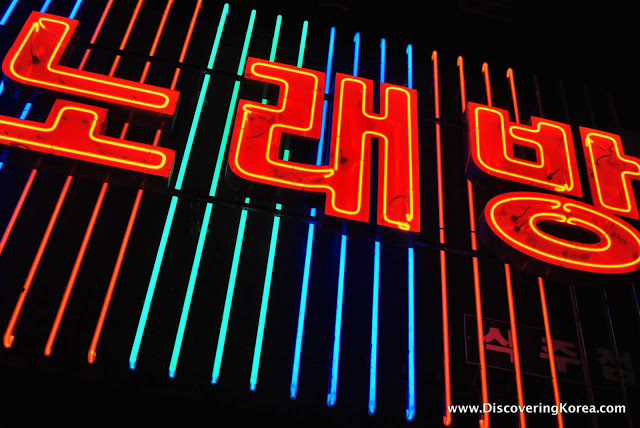
If purchasing “magic mushrooms” isn’t your thing, why not check out the bright lights of Daegu’s Yasigolmok District (야시골목), where hundreds of cafés, bars and nightclubs make it a focal point for young people. The name means, “the street of cute foxes,” thanks to all of the attractive young women the area attracts.
daegu_park
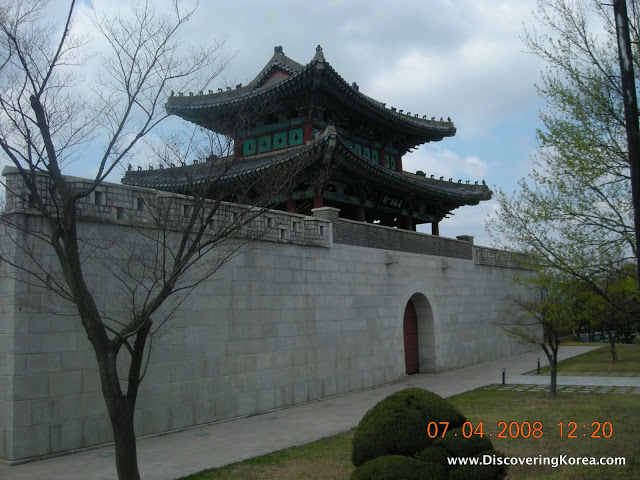
Mangudang Park features many sights, including a statue of the great General Gwak Jae-oo and Yeongnamjeilgwan (영남제일관), a recreation of the south gate of the walls that once surrounded Daegu.

But Daegu isn’t just a shopper’s paradise. For nature lovers, my favorite place is Mangudang Park (망우당공원) in the city’s eastern district. The sprawling park overlooks the gentle Geumho River and includes a rebuilt version of the city’s historic South gate, which is, unfortunately, all that remains of the fortress wall that once encircled Joseon-era Daegu. The site also includes a statue of General Gwak Jae-oo (곽재우), whose pen name was Mangudang, a Korean hero who defeated Japanese invaders in the late 16th Century.
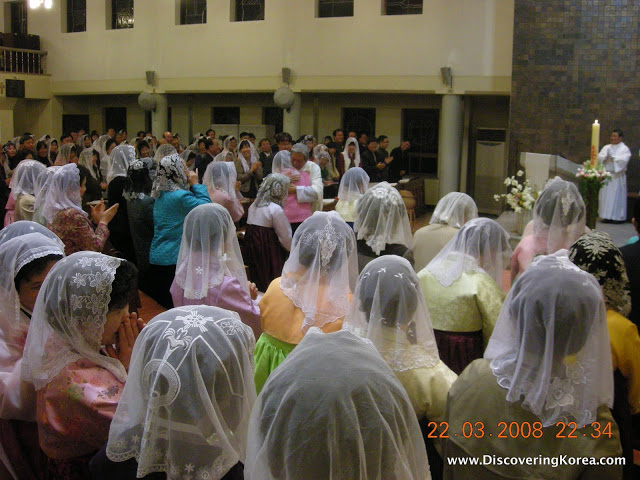
daegu_fam
Two great examples of Daegu’s charming residents, my aunt and cousin.

Of course, what really makes Daegu special are its people. Gyeongsang-do people are often described as hard working, modest, and conservative, but in my personal experience, they’re also feisty!  When my family gets together, there’s always plenty of boisterous laughter and loud, animated conversation spoken in a distinctive saturi (사투리), or regional dialect. Maybe this feistiness is thanks to the weather? Typically, Daegu has hotter summers and colder winters than most parts of Korea.
daegu_duckboats
Why not take a duck paddle boat on the Geumho River?

The next time you visit Seoul, why not jump on the express train and sample some of Korea’s wonderful regional variety. In less than two hours, you can enjoy Daegu’s slower pace and friendly, sincere people. And, in the unlikely event that you’ve exhausted all that Daegu has to offer, the city is also a great base for daytrips to nearby places, like Gyeongju (경주), Haein Temple (해인사) and Palgong Mountain (팔공산).

Getting There:
map_daegu→ From Seoul, trains leave Seoul Station (subway lines 1 or 4, exit #1) for Dongdaegu Station 20 times daily. The approx. 100-minute high-speed train costs 38,400 won each way for adults in coach class and 53,800 for first class.

The 3.5-4 hour Saemaeul train costs 29,100 for adults in coach and 33,500 in first class.

The 4+ hour Mugungwha train costs 19,600 won.

→ From Seoul, buses leave Seoul Express Bus Terminal for Daegu Express Bus Terminal every 10-15 minutes. The 3-hour 50-minute ride costs between 14,300-21,200 won each way.

Blog Widget by LinkWithin

10 Comments

27 November 2008 09:14

Eden

I have a friend from Daegu and I’ve heard good stuffs about the place. Very informative. Keep posting. :)

28 November 2008 11:23

Matt Kelley

Thanks a lot for your comment, Eden. I hope you can visit Daegu sometime… but it’s awfully cold there during the winter!

Take care, Matt

12 October 2009 22:55

Donnieboy

Just wanted to drop you a line to say, I enjoy reading your site. I thought about starting a blog myself but don’t have the time.
Oh well maybe one day…. :)

October 14 2009 08:26 am

Matt Kelley

Hi there,
Thanks for visiting! Yes, a blog can be a lot of work... and it's a constant source of guilt when you don't update it sufficiently (ahem!). But I also enjoy it. One of the best parts obviously is reader feedback, so thanks for taking a few moments to send yours! I hope you come back frequently. Best, Matt

4 January 2010 11:37

Cheongdo’s Bullfighting Festival | Discovering Korea

[...] is located about 40 kilometers south of Daegu. Since 1999, they’ve hosted an annual bullfighting festival to restore a traditional pastime [...]

26 February 2010 11:59

Paolo Cristobal

i too have a friend in Daegu. The more information about KOrea, the better. I’m saving up for my first trip here.

March 04 2010 15:51 pm

Matt Kelley

Hello Paolo, Thanks for writing!
Will you just travel to Daegu, or elsewhere in Korea, as well?
Best, Matt

5 April 2010 14:20

An energetic Saturday » Daegu Days

[...] is the Daegu South Gate. This is, quite literally, the old South Gate of the city of Daegu or Yeongnamjeilgwan. Daegu was first fortified in 1590 (Joseon Dynasty). As usual in Korea’s history, the [...]

8 June 2010 09:17

Sergio

Hey! I loved this article. I will be moving to Daegu sometime end of July or beginning of August. I was sort of scared because of all the mixed reviews posted all over the internet about Daegu but I’ve decided to just take a leap of faith and head over there =) This article helped.

June 10 2010 14:00 pm

Matt

Hi Sergio,

Thanks for your note and good luck on your move to Daegu! Daegu definitely has more of a laid-back feel to it than Seoul, but I envy its close proximity to Gyeongju and Busan, two of Korea's best destinations. Anyhow, glad to help and I hope you have a great time in Korea!

Best, Matt

Posting your comment...

Leave A Comment


Subscribe to this comment via Email