
The Seoul Lotus Lantern Festival celebrates the birth of the Buddha some two and half millennia ago. In the weeks leading up to the festival, over 100,000 brightly colored lanterns are strung up along many of Seoul’s streets on both sides of the Hangang river (한강).
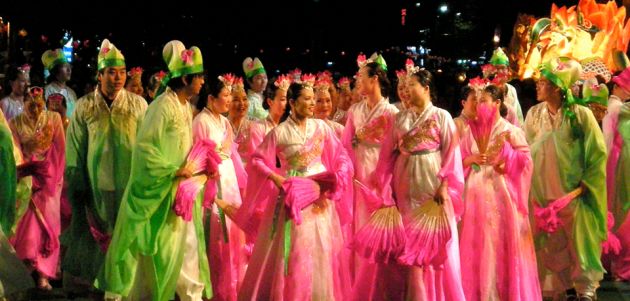
Yeon Deung Hoe (연등회), or the Lotus Lantern Assembly, is a traditional Korean folk festival that began centuries ago during the Goryeo Period, when Buddhism reached its zenith as ancient Korea’s state religion.
But even today, the Seoul Lotus Lantern Festival continues the tradition of making and hanging lanterns as symbolic offerings of light, wisdom and compassion in a world too often filled with darkness and suffering.
Today, about one-quarter of Koreans are Buddhists, and the Jogye Order is Korea’s largest Buddhist sect.
As festival hosts, they typically kick off the annual celebration at Seoul Bongeunsa temple (봉은사) near the COEX Conference and Exhibition Center, with an exhibition of traditional lanterns made from Korea’s exquisite traditional paper called hanji.
But the biggest festival events occur on the other side of the Hangang river on the street outside Seoul Jogyesa temple (조계사), in the heart of downtown Seoul.
Over the weekend, thousands of people gather to participate in free “experience events” and to enjoy stage performances starring monks clad in colorful robes.
More on those “experience events.” Some 100 booths offer the chance to make a Buddhist rosary or even your own lantern – a relatively simple task said to help one attain enlightenment in the next life!
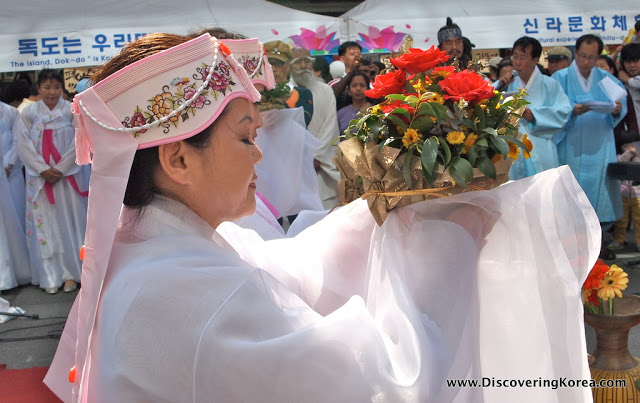
Other booths offer a glimpse into the rich Buddhist culture of Korea’s Asian neighbors, like Mongolia, Thailand and India, among others. Other activities include the opportunity to wear a traditional Korean hanbok, or to watch a traditional marriage ceremony.
Not to be missed is Seoul Jogyesa temple (조계사) itself, a main temple of Korea’s largest Buddhist sect.
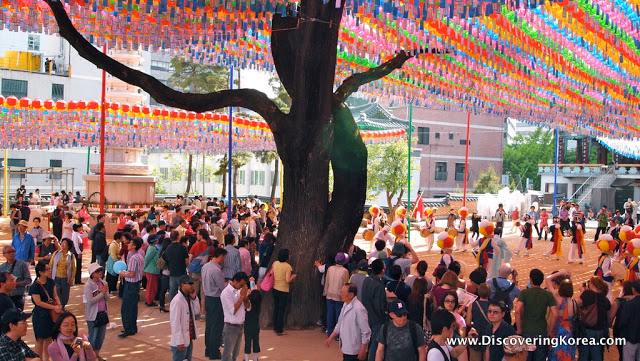
During the Seoul Lotus Lantern Festival, the tightly packed compound can feel all the more intimate thanks to the thousands of colorful lanterns strung from roof eaves and trees that created a false ceiling.
On a packed earth plaza in front of the main hall, a salmunori troupe typically performs.
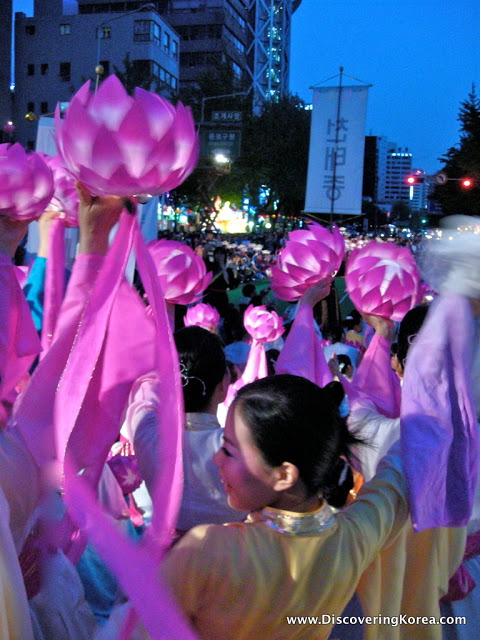
In addition to all of the daytime activities is the focal point of each year’s Seoul Lotus Lantern Festival – the Lotus Lantern Parade. While very popular among the city’s Korean residents, the parade is always a favorite event for the city’s foreign community.
Be it the large number of Buddhists from other Asian countries, or the largely non-Buddhist North American and European expatriate population, the festival’s celebratory air and free activities draw everyone together.
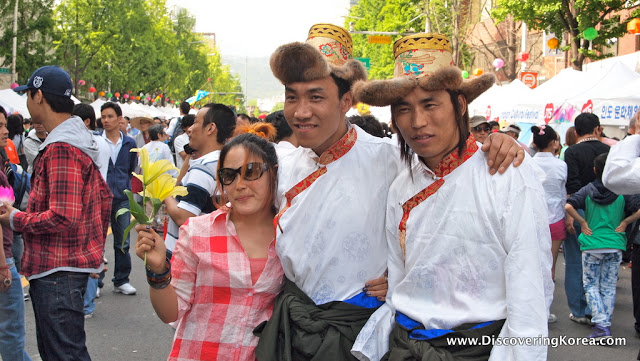
At dusk the street revelers gather for what is said to be Seoul’s largest annual street procession.
From Dongguk University Station to Dongdaemun and Jogyesa temple, Seoul’s night sky becomes lit not by office towers, but by thousands of lanterns made in the shapes of dragons, pagodas, phoenixes, and, of course, lotuses.
At about 9:30 pm, everything culminates with the Daedong Celebration. Meaning “being together,” the final event of singing and dancing at the Jonggak intersection usually reaches its finale at about 11 pm, when revelers are showered by pink lotus petals.
For Your Information…
| Open: | The festival occurs each year on the weekend prior to the Buddha’s birthday. |
| Admission Price: | Free |
| Address: | Jogyesa temple: Seoul Jongno-gu Gyeonji-dong 45 |
| Directions: | Jogyesa temple: Jonggak Station (#131) on Line 1, Exit 2 |
| Phone: | Jogyesa temple: 02-732-218 |
| Website: | Official Site |

About Matt Kelley
Matt Kelly is native of the US Pacific Northwest and is half-Korean by ethnicity. He lived in Korea for five years and has written hundreds of travel guides for Wallpaper, TimeOut, the Boston Globe and Seoul Magazine and was a host for several different variety shows on Korean radio and television.